
Fall equinox: what it is and 7 ways to embrace it
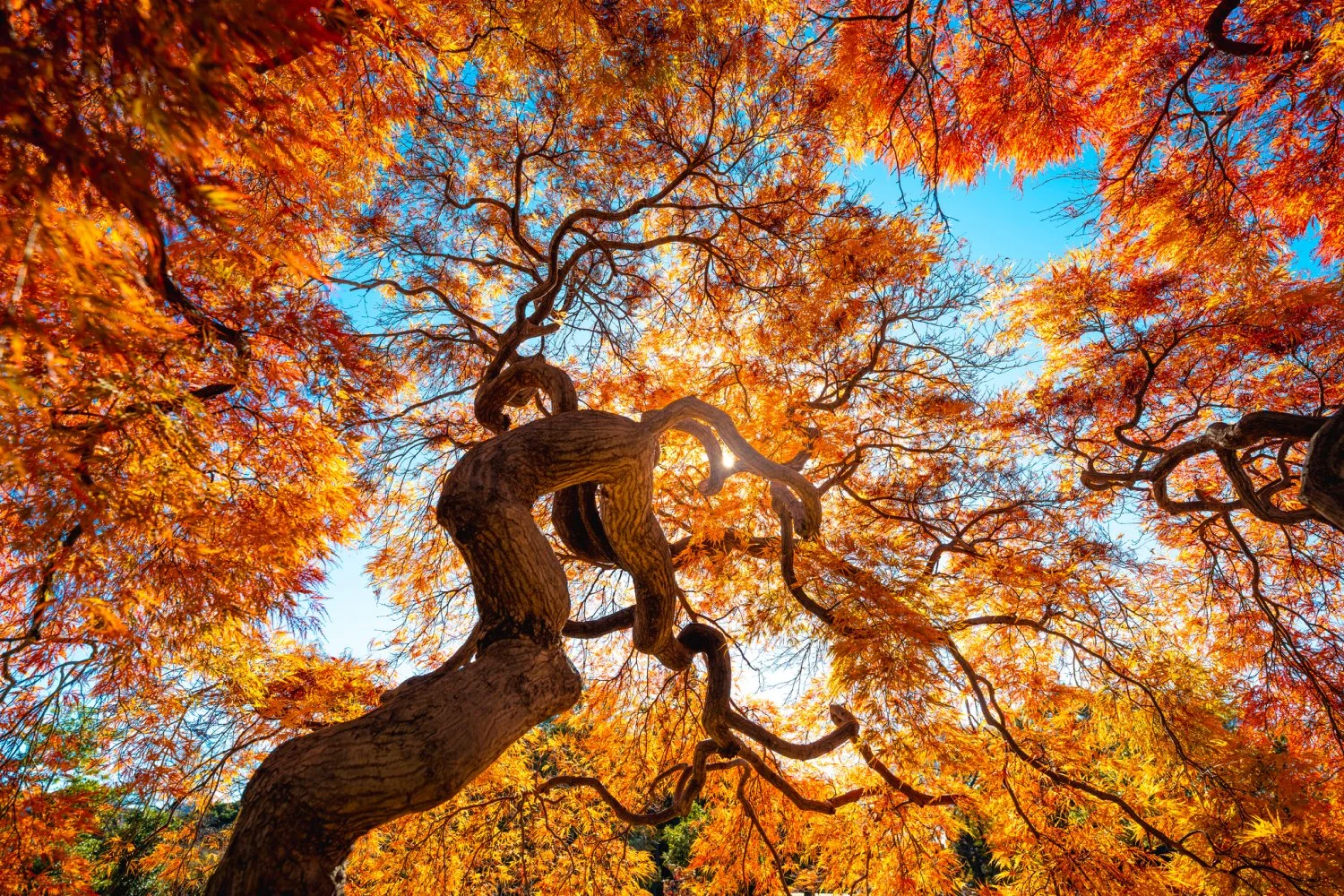
Curious about the fall equinox? Discover the science and history behind this seasonal change, when it falls in 2026, and 7 ways to celebrate it.
The mornings turn crisp, evenings arrive a little sooner, and the sun sits lower in the sky. You feel it before you check the calendar. At some point in that transition, the fall equinox rolls around.
You may have heard of the equinox as a day that has the same amount of daylight and darkness — that's close, but there’s more to the astronomy worth knowing. Beyond that, the equinox carries older ideas about the harvest and slowing down to reflect.
Read on to learn more about the fall equinox, including how it’s been observed across cultures, and a few mindful ways to mark the new season yourself.

What is the fall equinox?
The fall equinox happens when the sun crosses directly over the equator, so almost every place on Earth gets close to equal hours of daylight and darkness.
It marks the start of astronomical autumn in the Northern Hemisphere. It’s also the start of spring south of the equator, where days lengthen and temperatures start to climb.
The equinox occurs because of Earth’s tilt and its position in orbit around the sun. But it doesn't last. As Earth continues on its orbit, the Northern Hemisphere gradually faces away from the sun, and days keep shortening until the winter solstice in December.
Fall equinox rituals across cultures
People have honored the equinox for as long as they've farmed and watched the sky. In the Northern Hemisphere, it falls near the end of the growing season, so many of the associated traditions center on harvest, a sense of community, and gratitude for a year's work.
Mabon: This is a modern pagan and Wiccan name for the autumn equinox, treated as a second harvest festival and a time for gratitude and balance.
Higan in Japan: Japan marks the fall equinox with a national holiday, Autumnal Equinox Day, which is part of a broader Buddhist observance held each spring and fall. Families visit and tidy ancestors' graves and share seasonal foods like ohagi, sweet rice balls coated in red bean paste.
Chichen Itza in Mexico: At the ancient Mayan pyramid of El Castillo, the late-day sun casts a shadow that appears to ripple down the steps, like the feathered serpent god Kukulcan descending. Thousands gather at the site each equinox to watch it happen.
The Mid-Autumn Festival: This harvest moon celebration takes place across much of East Asia with mooncakes, lanterns, and family gatherings. It embraces the turn toward autumn and falls close to the equinox, though the festival isn't actually tied to the astronomical event itself.
Michaelmas: This Christian feast is held every year on September 29. In the Northern Hemisphere, it once marked the close of the harvest and the start of autumn's shorter days.

When is the fall equinox in 2026?
In 2026, the fall equinox happens at the same moment everywhere, but the date on your calendar depends on your time zone and hemisphere:
Northern Hemisphere: The fall equinox falls on Tuesday, September 22, at 8:05 p.m. Eastern time (5:05 p.m. Pacific).
Southern Hemisphere: That same moment marks the spring equinox on Wednesday, September 23, at 00:05 UTC (Coordinated Universal Time).
Is the equinox the same as the first day of fall?
There's more than one way to define the first day of fall. Astronomically, autumn begins at the September equinox. Meteorologists split the year differently, grouping the seasons into three-month blocks that track the temperature cycle rather than Earth's orbit. This puts the start of fall on September 1 every year.
How to celebrate the fall equinox: 7 mindful ways to welcome autumn
You don't need a special ritual to observe the equinox, but it’s a natural checkpoint to pause and reflect. Here are seven grounded ways to welcome the seasonal transition.
1. Take a few slow breaths
The equinox offers a built-in pause point, making it a fitting cue to slow down and reset.
Sit for a few minutes of slow breathing. Breathe in for four counts and out for six, repeating the cycle until you feel settled. Then take a moment to notice how you’re feeling.
💙 Try a Guided Breathing session from the Calm app.
2. Notice the season around you
Step outside for a walk or sit by an open window, and pay attention to what’s different: the sounds around you, the smell in the air, and how the breeze feels against your skin.
Keep your phone in your pocket or bag, and let your senses lead. Even 10 minutes counts — the goal is simply to notice the sensory details of the world.
💙 Follow along on a Nature Walk with Dr. Eric López on Calm.

3. Clear one small space
Start with one spot—a shelf, a drawer, a table you pass every day—and tidy it up. A small reset in your space can help you feel refreshed for the new season.
If you’re feeling up for it, you could continue clearing another space, or even the whole house.
Related read: Here's how your clutter may be affecting your mental health
4. Share a seasonal meal
Many equinox traditions center on gathering, and a shared meal is one of the simplest ways to feel more connected. That could mean takeout with a friend or a home-cooked meal with seasonal produce. If you’re on your own, you could call someone while you eat.
5. Name what went well
People have embraced seasonal change with gratitude for centuries. Write down a few things from the past few months that went well (big or small, it all counts).
Keep the list somewhere visible, so gratitude becomes something you return to often.
Related read: 12 gratitude journal prompts to add to your self-care routine
6. Set one gentle intention
Pick one small thing you'd want more of as the season turns — such as a few pages of reading daily or more phone-free evenings.
Ensure it’s flexible enough that a rough week won't derail it, and check in on it every so often throughout the season.
7. Ease into an earlier wind-down
Try shifting your wind-down 15 minutes earlier tonight. Dim the lights sooner and step away from screens for that last stretch before sleep.
As the season changes and your days start to feel different, small routine adjustments can ease the transition.
💙 Settle in with Wind Down (for Sleep) on Calm.

Fall equinox FAQs
When exactly is the fall equinox in 2026?
In 2026, the fall equinox arrives on Tuesday, September 22, at 8:05 p.m. Eastern time (5:05 p.m. Pacific), or September 23 at 00:05 UTC, which is why you might see it listed as either date depending on where you are. If you're in the Southern Hemisphere, that same moment marks the start of spring.
Is the fall equinox always on the same date?
The fall equinox doesn't land on the same date every year. It typically falls somewhere between September 21 and 24. That's because our 365-day calendar doesn't line up perfectly with Earth's orbit, so the date shifts slightly year to year, with leap years periodically correcting the drift.
When does fall officially start — and does the equinox count?
Fall officially starts on the equinox if you follow the astronomical calendar, which is based on Earth's position around the sun. Meteorologists mark the start of fall on September 1 to match temperature patterns.
What's the difference between the equinox and the solstice?
An equinox is when day and night are close to equal, while a solstice marks the extremes: the longest day of summer and the shortest day of winter.
There are two equinoxes a year, one in spring and one in fall. There are also two solstices, when the sun reaches its highest and lowest points in the sky.
Read more: What is the summer solstice? Plus, 8 mindful ways to celebrate
What are some autumnal equinox traditions around the world?
Equinox traditions exist all over the world, many tied to harvest and gratitude. For instance, there’s Higan in Japan, the shadow of Kukulcan appearing at Chichen Itza in Mexico, and Mabon in modern pagan practice. Each one looks different, but most share the same idea — gathering and celebrating the changing season.
What is Mabon, and is it the same as the fall equinox?
Mabon and the fall equinox are related but not the same thing. The equinox is the astronomical event itself, while Mabon is a modern pagan and Wiccan name for a harvest festival built around it, centered on giving thanks and finding balance.
What's a simple way to celebrate the fall equinox if I'm not into rituals?
You don't need any kind of ritual to celebrate the equinox. A mindful breathing exercise, a short walk outside, or sharing a meal with someone you care about is enough. Even a small pause can be a meaningful way to note the seasonal transition.
Calm your mind. Change your life.
Mental health is hard. Getting support doesn't have to be. The Calm app puts the tools to feel better in your back pocket, with personalized content to manage stress and anxiety, get better sleep, and feel more present in your life.

Images: Getty