
Clinically reviewed by Dr. Chris Mosunic, PhD, RD, MBA
Curious if essential oils can help calm your anxiety? Here's what the research says about aromatherapy, the 5 best oils to try, and how to use them safely.
It’s mid-afternoon, and your to-do list keeps growing. You reach for the small bottle of lavender essential oil on your desk, hold it a few inches from your nose, and breathe in slowly. Your shoulders drop, and the list feels a little more manageable.
Essential oils are everywhere these days, from store shelves to social media feeds, and you’ve probably heard the promise that lavender can ease stress and anxious feelings. When worries pile up, a quick ritual like that can sound appealing. Still, it’s worth asking how much these oils can really do for anxiety.
Ahead, we’ll cover what the research says about essential oils for anxiety, and how to try them at home.

What are essential oils?
Essential oils are concentrated plant extracts. Makers draw the aromatic compounds out of flowers, leaves, bark, peel, or resin, usually by steaming or pressing the plant. What’s left is a potent oil that carries the plant’s scent.
Aromatherapy is the practice of using these scents to ease stress and lift your mood. When you inhale a scent, the molecules reach receptors high in your nose that connect to the limbic system, a part of the brain involved in emotion and memory. That link is one reason a smell can bring back a memory or shift your mood before you've had time to think.
Can essential oils help with anxiety?
Essential oils may take the edge off anxiety, but think of them as a comfort alongside established treatments, not a substitute for them.
A 2023 systematic review pooled dozens of randomized trials and found that essential oils lowered both in-the-moment and overall anxiety levels compared with unscented oil or usual care.
Early results look promising, though they come with a few caveats. Most of those trials were small, and many measured anxiety in medical settings, such as the nervous stretch before surgery, rather than the everyday worry most people deal with. Results also varied widely from study to study.
If your anxiety is intense and disruptive to your daily life, talk with a doctor or therapist.
💙 Not sure if it’s stress or anxiety? Here’s how to tell the difference.

5 best essential oils for anxiety
Some essential oils have far more anxiety research behind them than others. These five come up most often in studies and in aromatherapy practice. Your scent preference matters here, so you might respond to one oil and not another. Start with the one that appeals to you most.
1. Lavender
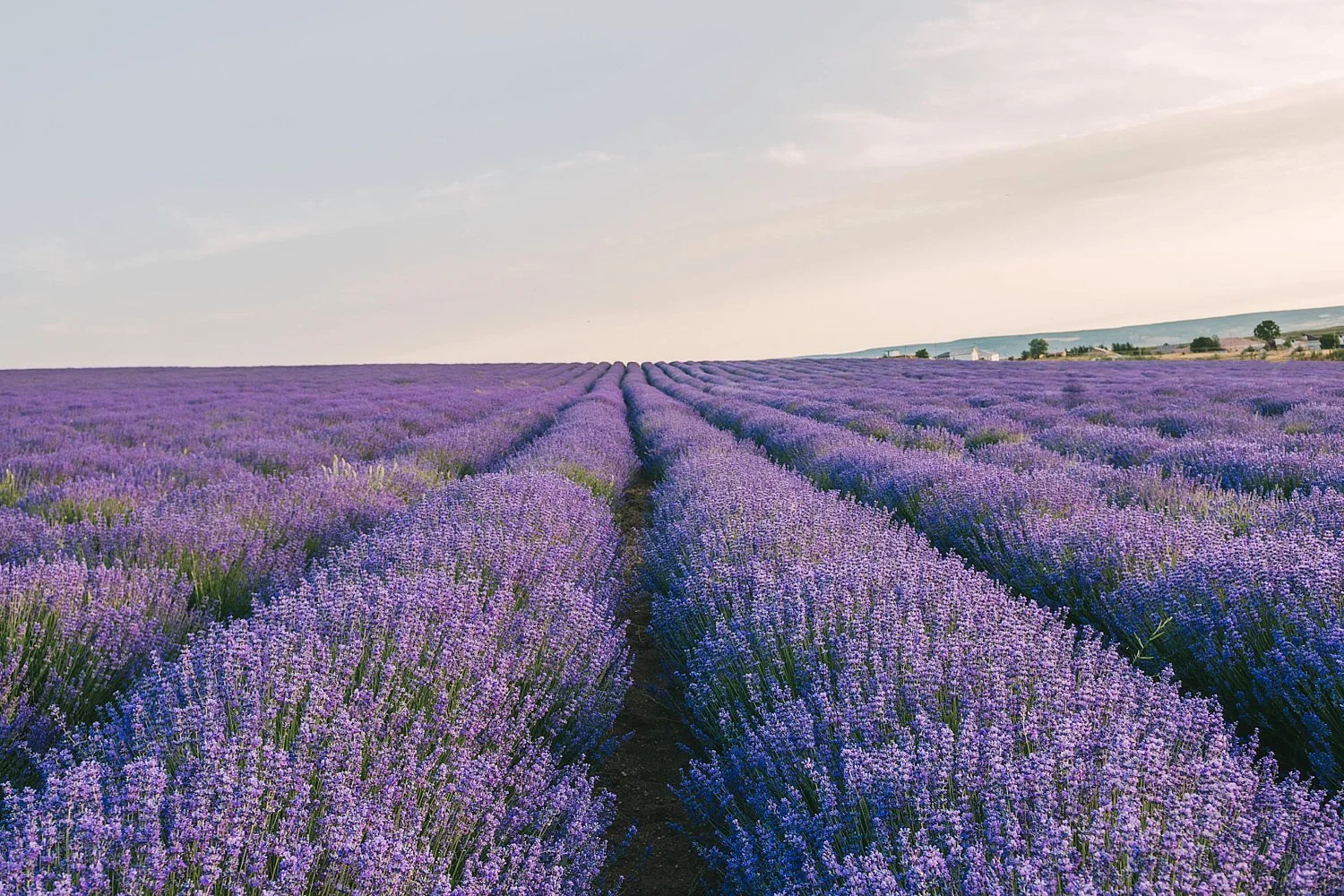
Lavender smells floral and herbal, with a clean, slightly woody edge. It’s the most studied oil for anxiety by a wide margin, and its main compound, linalool, may help calm the nervous system.
A lavender oil capsule called Silexan was tested in a 10-week trial of adults with generalized anxiety disorder, where it reduced anxiety more than a placebo capsule. Since Silexan is swallowed rather than inhaled, the results say little about lavender aromatherapy.
If you’re new to essential oils, lavender is a gentle place to start: its scent is familiar to most people, and it’s widely available.
2. Neroli (bitter orange)
Neroli comes from the blossom of the bitter orange tree, Citrus aurantium. Its scent is sweet and floral, with only a hint of citrus.
In the 2023 meta-analysis, bitter orange oil ranked at or near the top of the oils tested for both in-the-moment and overall anxiety. It didn’t clearly outperform lavender, though, and far fewer trials back it up.
Unlike bergamot and other citrus peel oils, neroli hasn’t shown sun-sensitivity problems. Even so, as with any oil, dilute it and patch-test first (see the safety notes below).
3. Rose
Rose, often sold as Damask rose oil, smells sweet and floral. In the same 2023 review, it was the second most studied oil after lavender. Rose oil was linked to lower in-the-moment anxiety, mostly in trials of people facing medical procedures.
Pure rose oil is one of the pricier options, since it takes a mountain of petals to make a small bottle. Fortunately, a little goes a long way, and a few drops in a diffuser can scent a room.
4. Chamomile
Chamomile oil smells soft, warm, and a little like apple, which suits an evening wind-down.
In a randomized trial, older adults who inhaled chamomile oil for a month had lower anxiety scores than those who received a placebo.
In a separate hospital trial, people with heart conditions who breathed in chamomile oil for two nights had lower anxiety than those given an unscented oil.
5. Bergamot
Bergamot is the citrus that gives Earl Grey tea its signature scent: fresh and zesty, with a softer, sweeter edge.
In one randomized controlled trial, people in treatment for substance use were given bergamot aromatherapy. They reported lower anxiety than those who received standard care alone.
Bergamot and other citrus peel oils can make your skin more sensitive to sunlight. If you apply them to your skin, keep that area out of direct sun for a day or so.

How to use essential oils for anxiety
There are several ways to use essential oils, so try a few and see what works for you. Here are the four main methods:
Diffuse: Add a few drops of oil and water to an electric diffuser to scent a room. This gentle method suits a bedroom or home office.
Inhale: Hold the bottle a few inches from your nose and take a slow breath. You can also put a drop on a tissue and smell that instead.
Apply to skin: Always dilute essential oil before it touches your skin. Mix a few drops into a carrier oil, such as jojoba or coconut, then rub a little on your wrists, temples, or the back of your neck. If you’d rather skip the mixing, pre-diluted rollers are a convenient option.
Add to a bath or shower: For a bath, mix a few drops into a carrier oil or unscented bath base, then pour it into warm water. For a shower, put a few drops on the shower floor, away from the running water, and let the steam carry the scent. Oil can make the floors slippery, so step in carefully.
💙 At bedtime, turn on your diffuser and listen to The Lavender Valley, a Sleep Story on Calm that follows a stroll toward a heavenly scent.
How to use essential oils safely
Buy from a reputable brand, since the U.S. Food and Drug Administration doesn’t check essential oils for purity or strength.
Patch-test first: dab diluted oil on a small area of skin and wait 24 hours to check for redness or itching.
Avoid direct sun on skin where you’ve applied citrus peel oils, like bergamot, because they can make skin more sensitive to sunlight.
Don’t swallow essential oils without guidance from a qualified healthcare professional.
Keep essential oils away from children and pets, since some oils are toxic to animals.
Check with your doctor if you're pregnant, breastfeeding, or managing a health condition, as some oils aren't recommended.
Pair essential oils with other calming habits
Aromatherapy can be one part of a wider wellness routine. Use oils alongside other habits that may help with anxiety, like gentle movement, breathing exercises, time outside, and meditation. For instance, smelling lavender before a guided meditation can help you settle in.
💙 To round out your routine, explore these six natural ways to ease anxiety.
💙 Pair your aromatherapy with Calming Anxiety, a five-minute breathing meditation on Calm.

Essential oils for anxiety FAQs
What is the best essential oil for anxiety?
Lavender is the most studied oil for anxiety, which makes it a popular first pick. That said, scent preference matters, so the oil you enjoy most may suit you best. Neroli, rose, chamomile, and bergamot are also common choices, with some research to support them.
Do essential oils actually work for anxiety?
Essential oils may help you feel less anxious, and studies have found a modest calming effect, especially in stressful moments. However, the research is limited, especially for everyday anxiety.
If your anxiety feels frequent or intense, or if you’re having panic attacks, reach out to a doctor or therapist for support. Oils can be one small part of your routine, but they can’t replace medication or therapy.
Where do I put essential oils for anxiety?
You can put diluted essential oil on pulse points, like your wrists, temples, the back of your neck, or behind your ears, where body warmth helps release the scent. Mix the oil into a carrier oil first, and avoid putting citrus oils on skin that will be in direct sun.
How do I use essential oils for anxiety at home?
At home, you can diffuse a few drops of essential oil, inhale from the bottle, apply diluted oil to your skin, or add an oil blend to a bath. Pick the method that fits your space and routine.
Is frankincense good for anxiety?
Frankincense is a popular choice for relaxation, but research on its effects on people is still limited. Most of the evidence comes from animal studies on one of its compounds, incensole acetate, which reduced anxious behavior in mice. If you enjoy its warm, woody scent, it may still be worth trying.
What's the difference between aromatherapy and just smelling something nice?
Aromatherapy uses essential oils on purpose, while smelling something nice can mean anything pleasant, from fresh-baked bread to your favorite candle. With aromatherapy, you can pick a scent and diffuse it or breathe it in from the bottle. Both can lift your mood, but aromatherapy makes smelling the scent a habit.
Are essential oils safe to use if I have sensitive skin?
Essential oils can irritate sensitive skin, so it helps to dilute them in a carrier oil and patch test first. If you have a skin condition like eczema, ask your doctor before trying aromatherapy, or skip skin contact and use a diffuser instead.
What is International Essential Oils Day?
International Essential Oils Day is on July 11 every year. It’s a day to celebrate essential oils and the ways people use them for well-being. If you’ve been curious about aromatherapy, it’s a good time to try it.
You don’t need much to take part. Choose an essential oil that appeals to you, such as lavender or rose, and add a few drops to a diffuser. Then take in the scent with a few slow breaths or a short meditation. If you already use oils, you could try a new scent or build a wind-down habit around a favorite.
Calm your mind. Change your life.
Mental health is hard. Getting support doesn't have to be. The Calm app puts the tools to feel better in your back pocket, with personalized content to manage stress and anxiety, get better sleep, and feel more present in your life.

Images: Getty