
Clinically reviewed by Dr. Chris Mosunic, PhD, RD, MBA
Meditation can inspire calm and clarity, but it can also have some side effects. Explore 7 of the most common reactions, why they happen, and how to keep your practice safe.
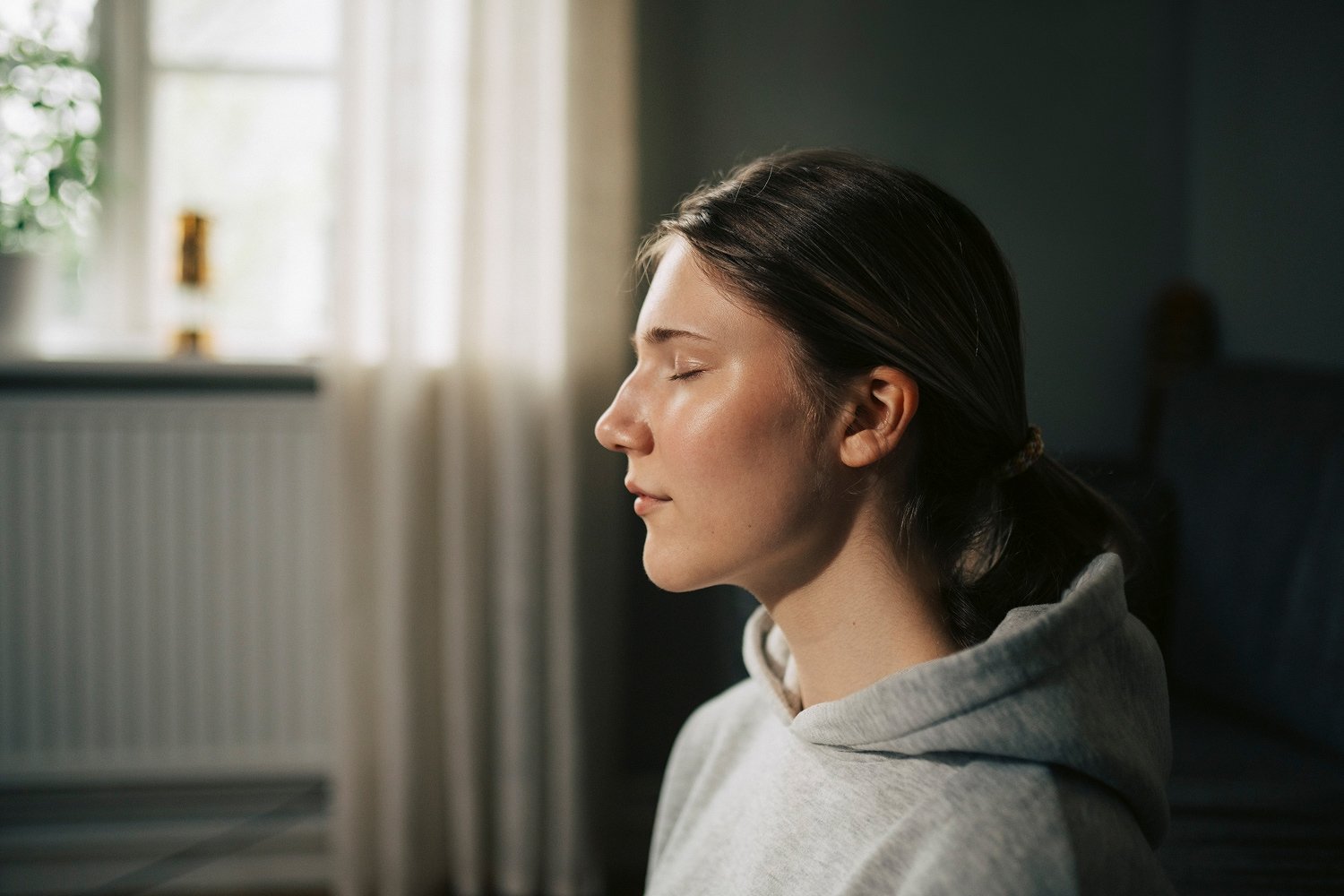
If you ever finish a meditation session feeling uneasy instead of calm, it can leave you wondering… “what just happened?” Maybe your chest felt tight. Maybe old memories surfaced. Maybe the room seemed louder than it did a few minutes before.
Meditation side effects are real, and naming them is important. Not because meditation is dangerous for most people, but because slowing down can bring thoughts, sensations, and emotions into clearer view. A small number of people experience temporary reactions during or after practice, especially when trying longer or more intensive styles.
Let’s explore the common side effects of meditation, why they show up, and how to work with them safely so your practice feels more supportive.

Why does meditation sometimes trigger reactions?
Meditation changes the way your brain pays attention. When you slow down and look inward, the filters you use during the day to make room for your daily tasks can relax. Those same filters usually help you tune out extra thoughts or feelings. And without them, you may notice sensations or feelings that were already there, like tension in your body, strong emotions, or spiraling thoughts.
Research, including studies from Brown University, shows that some people have temporary side effects during or after meditation. These reactions are more likely to pop up when someone tries a new style, practices for long periods, or joins a retreat with a lot of silence.
These reactions don’t automatically mean something is wrong. There are usually signs that meditation is causing shifts in your mind and body. Knowing that these sensations are normal can make them easier to handle.

7 possible meditation side effects
Meditation side effects vary from person to person and are usually temporary. But getting more familiar with them can help you figure out what your mind and body are trying to communicate:
1. Increased anxiety or restlessness: When the mind slows down, background thoughts can move forward. This may feel like worry, agitation, or a need to move. It often fades as attention becomes steadier.
2. Dizziness or lightheadedness: Deep or rapid breathing can change carbon dioxide levels, creating a brief floating or spinning sensation. It usually settles once your breath finds a natural pace.
3. Emotional flooding: Meditation can bring emotions to the surface that were pushed aside during busy days. Tears, irritability, or sadness may show up. Emotional release is common and often short-lived.
4. Dissociation or feeling “spaced out”: Some people notice a sense of detachment or unreality, especially in longer sessions. This can be a cue to shorten your practice or use grounding techniques.
5. Sleep disruptions: For some, meditation increases alertness, making it harder to wind down at night. Adjusting the time of day or practice style often helps.
6. Physical discomfort: You may become more aware of sensations like tight shoulders, tingling, or pressure. Meditation doesn’t create these sensations; it just makes them easier to notice.
7. Worsening of underlying mental health symptoms: For people with anxiety, trauma histories, or depression, certain practices can sometimes intensify symptoms. This is a signal to shift styles or seek support.

How to prevent meditation side effects: 11 ways to meditate safely
Now that you know more about the possible side effects of meditation, it can be helpful to learn how to manage them so you can feel more peaceful in your practice. These approaches are designed to give your nervous system structure and support, so meditation feels refreshing rather than overwhelming.
1. Shorten your sessions
Starting small is one of the most effective ways to prevent side effects from meditation. A few minutes is enough to build familiarity without pushing your system into discomfort. And yes, short sessions count as “real” meditation!
Try beginning with 1–5 minutes, noticing how your body responds, and increasing time only when the shorter sessions feel predictable. If emotions feel too strong or your mind spirals, go back to the shorter window.
Related read: One-minute meditation: benefits and how to do a quick practice
💙 Explore this One-Minute Reset with Chibs Okereke on the Calm app.
2. Choose grounding styles of meditation
Certain techniques create more stability than others. If you’ve experienced anxiety, dissociation, or emotional overwhelm during practice, grounding methods give your attention a clear anchor.
Examples include:
Focusing on the feeling of your feet on the floor
Tracking the movement of your breath in your belly rather than your chest
Noticing sounds around you instead of going deep into internal imagery
3. Keep your eyes open or half-open
Visual input helps your brain stay oriented to the present moment.
If closing your eyes leads to dizziness, panic, or racing thoughts, keep them open and soften your gaze instead. Look at a spot on the floor or a point in the room. This simple shift can reduce dissociation and lower the intensity of emotional material that sometimes comes up.
4. Stay connected to your body
Many side effects arise when the body feels ignored or overwhelmed. Bringing attention back to sensation can stabilize the experience.
You can try:
Placing a hand on your chest or belly
Gently stretching your neck or shoulders
Shifting positions during practice
If you notice tension or tingling, you might want to find a more comfortable meditation position.
💙 Try a Body Scan meditation with Tamara Levitt on the Calm app.

5. Adjust your breathing
Breathwork can calm the nervous system, but it can also cause dizziness or anxiety if it’s too deep or too slow.
A safer alternative is natural breathing, where you allow your breath to find its own rhythm. But if you want a technique, a simple breathing pattern may work better.
Try this:
Inhale for 3
Exhale for 4
This keeps oxygen and carbon dioxide levels balanced and reduces the chance of physical side effects.
6. Practice at times when you feel steady
Meditation can be more challenging when your mind or body is already dealing with a lot.
If you feel overwhelmed, try a transition activity first, such as a 3-minute walk, stretching, or a warm shower. These grounding steps help your system settle enough to receive meditation rather than resist it.
Related read: 7 reasons it can be difficult to meditate (and how to deal)
7. Use guidance when needed
A trained meditation teacher, therapist, or trauma-informed instructor can help you choose techniques that match your emotional bandwidth.
Guided meditations with clear instructions provide structure that reduces wandering thoughts and unexpected emotional material. If silence feels like too big a leap, guidance can act as a safety rail.
💙 A guided practice like Pause to Breathe with Prof. Megan Reitz is one of our favs.
8. Pause when something feels off
Stopping a session is a skill, not a setback. If your breath tightens, your chest feels heavy, or emotions start to spill over, take a break.
Stand up, look around the room, touch something with texture, or sip water. These actions reorient your attention and signal your body that you’re safe. Returning later is perfectly fine.
9. Integrate after each practice
Many side effects come from jumping straight from meditation into a stressful task. A brief transition helps your mind and body absorb the experience without friction.
After your meditation, try:
One slow stretch
Naming one thing you noticed during the session
Taking three steady breaths before standing
This brief pause prevents jarring shifts that can cause discomfort.
10. Create a meditation space that feels safe
Your environment shapes your experience. A dim room, a comfortable seat, or a predictable routine can help your body relax faster.
This doesn’t need to be a dedicated meditation corner. It can be a chair near a window, a spot on the couch, or even your car during a lunch break. Anywhere your nervous system feels supported.
Read more: How to create a meditation room: 6 ideas to DIY your space
11. Avoid intensive retreats without preparation
Long periods of silence or hours of daily meditation can provoke strong reactions, even for experienced practitioners.
If you’re curious about meditation retreats, start with a half-day workshop or a guided group sit. Build capacity gradually so you’re not caught off guard by emotional or cognitive shifts.

When should you get help for meditation side effects?
Most side effects fade quickly, but sometimes extra support is the safest choice. Reaching out is a form of care. It helps you stay grounded and supported as you figure out what kind of practice feels right for you.
And if meditation continues to feel overwhelming, you might want to pause or stop altogether. You don’t have to meditate to be well. You need practices that feel safe for your mind and body.
You may want to talk with a therapist, doctor, or trained teacher if:
Symptoms last more than a few hours or keep coming back
Panic, strong emotions, or trauma reminders show up
Dissociation makes it hard to focus or feel present
Depression worsens, or thoughts of self-harm appear
Sleep problems continue for several days
You feel confused or unsure about what you’re experiencing

Meditation side effects FAQs
Who should not meditate?
Most people can meditate safely, but some may need extra support before they start. People going through a mental health crisis, those with untreated psychosis, and people who often feel disconnected from themselves may need guidance from a clinician.
Meditation can also feel unsettling for people with trauma if they practice without structure, so working with a trauma-informed teacher or therapist can make it safer. It’s important that you choose a style and pace of meditation that fits your needs and your nervous system.
Related read: Coping with trauma: how to help yourself (or someone else)
What chemical is released while meditating?
Meditation can shift levels of brain chemicals that affect mood and stress. Studies show it may increase GABA, which helps you feel calm, and serotonin, which supports mood. It can also raise dopamine, which is tied to motivation and reward.
Many people also see a drop in cortisol, the stress hormone. These changes are different for everyone, but they help explain why meditation sometimes feels grounding — and why it may feel strange for a small minority at first.
What happens to your body when you meditate every day?
Daily meditation can help your body settle more easily during stress. It may lower your heart rate, help you notice your emotions sooner, and strengthen the parts of your brain that support attention.
Over time, you might find that you react less quickly to challenges or that you have a bit more space to pause before responding. Even short daily sessions can help your body move toward a steadier and more balanced state.
Read more: 11 tips to start meditating daily
What are some examples of adverse reactions to meditation?
Some people notice reactions that feel uncomfortable or surprising. These can include anxiety, dissociation, dizziness, strong emotions, sleep changes, or a temporary increase in symptoms related to trauma, depression, or panic.
They usually don’t mean harm. They’re signs that meditation is bringing up things your mind and body were already holding. Most reactions fade on their own or ease when you shorten your sessions or use grounding techniques.
How common are meditation side effects?
They’re more common than you might think. Estimates vary, but research suggests that a significant minority of meditators experience temporary side effects. Mild reactions, like restlessness or emotional sensitivity, are more common than severe ones.
Longer or intensive retreats tend to bring up stronger reactions, while shorter, structured practices are usually gentler. Knowing the range of common symptoms can help you understand your experience without jumping to worry.
Can meditation alter my mental state?
Yes. Meditation can shift your mood, attention, and awareness. These changes are often helpful, but they can feel uncomfortable at first if you’re not used to noticing your inner world so closely.
Some people feel calmer or clearer, while others feel stirred up before things settle. The key is to start slowly so your mind has time to adjust.
Related read: Does meditation change your brain in 8 weeks? What science says
How do I safely process meditation side effects?
The best place to start is by slowing down and noticing what you feel without judging yourself. Grounding tools—like touching something with texture, naming what you feel, or opening your eyes—can help your body settle.
Talking with a therapist, teacher, or trusted person can also make the experience feel less confusing. If a reaction feels intense, it’s okay to pause your practice or return to shorter, guided sessions.
How can I prevent meditation side effects?
Prevention often comes from choosing techniques that match your comfort level. Shorter sessions, grounding practices, keeping your eyes open, and breathing naturally can make meditation feel steadier.
Practicing when you feel calm enough and giving yourself time to transition afterward also helps. A trained teacher or therapist can guide you toward a style and pace that feels safe.
How do I know if my meditation side effects are symptoms of something bigger?
If reactions last more than a few hours, make daily life harder, or keep showing up in strong ways, it may help to talk with a mental health professional. Ongoing dissociation, worsening depression, panic that continues after practice, or serious sleep problems can be signs that you need more support. Meditation doesn’t usually create bigger issues, but it can uncover what was already there. Getting help can make a big difference.
Calm your mind. Change your life.
Mental health is hard. Getting support doesn't have to be. The Calm app puts the tools to feel better in your back pocket, with personalized content to manage stress and anxiety, get better sleep, and feel more present in your life.

Images: Getty