
Clinically reviewed by Dr. Chris Mosunic, PhD, RD, MBA
Want to start practicing mindfulness meditation? We’ll walk through what it means, how it can benefit you, and share 8 easy tips to help you try it out today.
Let’s say you sit down to try mindfulness meditation, and almost immediately your mind starts buzzing. It’s running through your to-do list, or things you forgot to do that suddenly feel urgent. For a lot of beginners, this is the moment where it feels like it isn’t working, or that you’re bad at meditating. But that’s just not true.
Noticing that your attention has drifted and attempting to return to the present moment is a major part of a meditation practice. And it can happen whether you’ve been meditating for five minutes or five years. Once you understand that, the practice may start to feel much more approachable.
We’ll break down why mindfulness meditation can feel a little strange at first and how to embrace it. Plus 8 tips to help you get started with ease.

What is mindfulness meditation?
Mindfulness meditation is a practice of paying deliberate, non-judgmental attention to what’s happening in the present moment, typically using the breath as an anchor.
The word “mindfulness” comes from the Pali word sati, meaning awareness or attention. While its roots are in Buddhist contemplative practice, modern mindfulness meditation has been widely studied and adapted for everyday use in clinical, educational, and workplace settings.
At its core, it’s simple: sit, breathe, and notice your surroundings and feelings. When your mind wanders (and it will), bring it back. That’s the practice.
Mindfulness meditation vs. mindfulness
Mindfulness is the awareness you bring to your everyday life. It’s that moment when you notice the taste of your food, the feeling of your feet on the ground, or the fact that your shoulders are tense.
Mindfulness meditation, however, is the practice that builds that awareness. It’s a set time, even just a minute or two, where you intentionally pay attention and practice returning your focus when it drifts.
While they can be understood separately, the two actually work together. Meditation gives you that low-stakes space to practice noticing and returning. Mindfulness is how that skill starts to show up in your real life.
Read more: Mindfulness vs meditation: What are the key differences?

What are the benefits of mindfulness meditation?
Mindfulness meditation has been studied extensively, and the evidence is overwhelmingly positive. It covers a wide range of mental and physical health benefits. Here are a few:
It can help you respond to stress more calmly: Mindfulness creates a small pause between trigger and reaction, which can make stressful moments feel less overwhelming.
It supports better focus and attention: Each time you return your attention to the present, you're training your concentration. Over time, this can make it easier to stay with tasks or conversations.
It builds awareness of your thoughts: You start to notice patterns like repetitive worries or self-criticism, which makes it easier to step back instead of getting pulled in.
It can ease anxiety and low mood: Mindfulness doesn't remove anxiety or low mood, but it can change how you relate to them.
It may improve sleep: Settling a busy mind and relaxing the body can make it easier to wind down at night.
It helps you reconnect with your body: Noticing physical sensations can bring you out of your head and into the present moment, which can feel grounding during busy or stressful days.
Read more: 12 ways meditation can benefit your mental and physical health

How to practice mindfulness meditation: 8 tips to get started
Now that you know a little bit about mindfulness meditation, you might want to give it a try. The good news is that starting out doesn’t require a perfectly curated meditation room or an hour of free time.
Instead, just set aside a small amount of time during your day and apply a few of these simple tips.
1. Start with two minutes
Seriously, just two minutes. Most beginners assume they need to sit for twenty minutes to get any benefit, but that’s not true and can make it more intimidating to give it a go.
Research supports short, consistent practice over long, sporadic sessions. Two minutes done daily is more valuable than thirty minutes done once.
Try this:
Set a timer, sit comfortably, and just breathe. If it feels comfortable, you can add time, or wait til your next session to try a longer practice.
Related read: One-minute meditation: benefits and how to do a quick practice
💙 Eager to explore some short mindfulness practices? Try one of Calm’s Quick & Easy sessions.
2. Get comfortable
There's no required posture for mindfulness meditation. You don't need to sit cross-legged on the floor unless you want to, or hold any particular shape. Sit in a chair, on a cushion, or on the edge of your bed, whatever lets you feel alert without being rigid.
Try this:
Sit with your feet flat on the floor, hands resting in your lap, and take one slow breath before you begin. Notice if you're holding tension anywhere and let it soften slightly.
3. Forget a quiet mind
Being totally still and focused is probably the biggest misconception about mindfulness meditation. A quiet mind is not the goal (and may not be possible). You can’t get rid of thoughts, but you can notice them and then return to the breath. “Oh, hi there, busy brain, I see you. We’ll handle that to-do list in a little bit.”
Try this:
When you notice your mind wandering, gently label it, like “thinking” or “planning,” then return to your breath. No need to replay what happened or start over. You’re still actively meditating.
Read more: What to focus on when meditating: a beginner's guide
4. Use your breath as a reference point
The breath is the most accessible anchor point for mindfulness meditation because it’s always with you. You don’t need to control it or change it. Just notice it.
Try this:
Focusing on the physical sensation of breathing — the rise and fall of your chest, the feeling of air at your nostrils, the brief pause between inhale and exhale. When your attention drifts, notice that it has, and gently return to the breath.
💙 Pause to Breathe with Prof. Megan Reitz next time you need to take a breather.

5. Experiment with eyes open
Closing your eyes is often viewed as the default, but it's not a rule. Some people find closed eyes make their thoughts louder or bring on drowsiness.
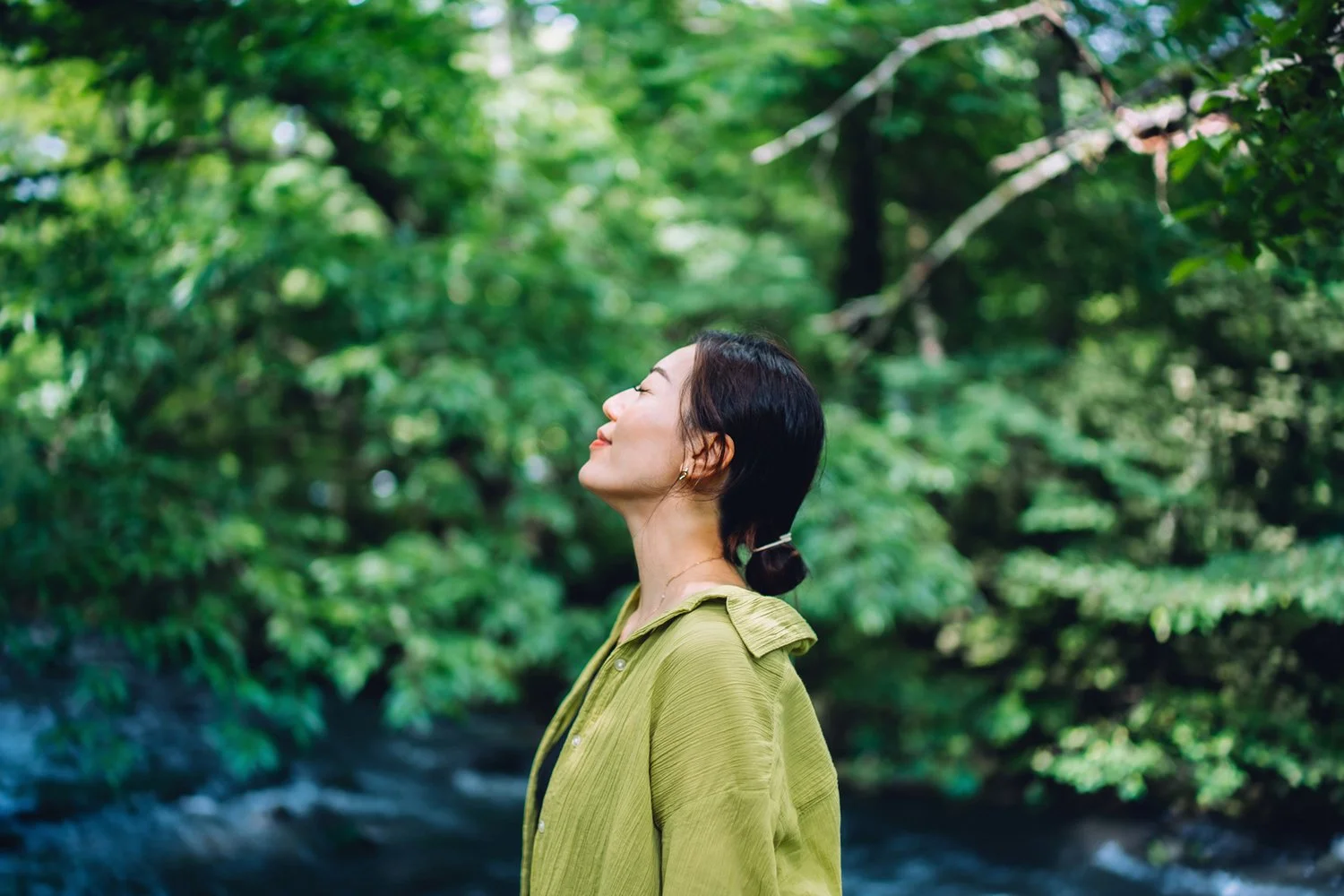
If that's you, try a soft downward gaze instead, eyes open but unfocused, aimed at a spot on the floor a few feet ahead. Or if you’re in nature, find a lovely view point and focus on that. You don’t need to look at anything in particular, just let your gaze soften and relax.
If a combination of a soft gaze and eyes closed feels best, then go for it.
6. Try to stack the habit
Habit research shows that linking a new behavior to an existing routine, sometimes called habit stacking, significantly increases the chance of it sticking. You can use that same tactic for mindfulness meditation.
Try this:
Sitting for 2 minutes after brushing your teeth
Taking 5 mindful breaths before opening your laptop
Pausing and noticing your breath before getting out of the car
Read more: How to build a meditation practice that actually sticks
7. Use guidance when you need structure
If sitting in silence feels difficult or frustrating, guided meditations can help by giving you a voice to follow as you build the skill.
A short audio session can walk you through where to place your attention and remind you to return when your mind drifts. It can make the practice feel more supportive, especially in the beginning.
💙 The Mindfulness for Beginners series led by Jeff Warren on the Calm app is a great place to start.
8. Come back to it
Missing a day doesn’t undo your progress, and getting distracted during a session doesn’t mean you’re bad at this. The research on mindfulness consistently shows that regular, yet imperfect practice produces meaningful results. So just giving it a try is helpful!
Self-compassion matters here, too. The way you treat yourself when you forget to meditate or get distracted is another unique part of the practice. Noticing the self-criticism without getting swept up in it? That’s mindfulness.
Try this:
Say to yourself, “I tried mindfulness this week. It wasn’t perfect, but it was progress. I took some dedicated time to care for myself, and that’s what matters most.”
Related read: How to manage your inner critic (and build an inner coach)

Mindfulness meditation FAQs
What’s the difference between mindfulness and mindfulness meditation?
Mindfulness is the awareness you bring to your everyday life, like noticing your thoughts, surroundings, or body in real time. Mindfulness meditation is the intentional practice that helps build that awareness, usually by setting aside a few minutes to focus and return your attention. The practice of meditation strengthens the skill, and over time, that skill starts to show up more naturally in daily moments.
How can mindfulness meditation help me?
Mindfulness meditation can help you notice your thoughts, emotions, and reactions with more clarity, which creates space to respond rather than react automatically. Over time, this can support better focus, steadier moods, and a greater sense of control in stressful situations.
The changes are often subtle at first, like catching a spiral earlier or pausing before responding.
What are ways to get started with mindfulness meditation?
The simplest way to get started with mindfulness meditation is to choose a short amount of time, focus on your breath, and practice returning your attention when it drifts.
You can also begin in everyday moments, like taking a few mindful breaths before a meeting or while waiting in line. Guided meditations can offer a helpful structure if you’re unsure what to do.
What are good mindfulness exercises for beginners??
Beginner-friendly mindfulness exercises tend to be simple and short. A few options include focusing on your breath for a minute or two, doing a basic body scan by noticing sensations from head to toe, or paying attention to each step as you walk. The key is choosing something easy enough that you’ll actually do it, even on a busy day.
Is mindfulness meditation good for anxiety?
Mindfulness meditation can help you relate differently to anxious thoughts by noticing them without immediately reacting or getting pulled into them. It doesn’t eliminate anxiety, but it can reduce how overwhelming it feels and help you feel more grounded when it shows up.
How often should I practice mindfulness meditation?
A few minutes most days is a realistic place to start. Consistency matters more than how long you practice, and even brief sessions can build the habit over time. It’s often more helpful to practice regularly in small doses than to aim for longer sessions that are harder to maintain.
Can mindfulness meditation help with sleep?
Mindfulness meditation can support better sleep by helping calm a busy mind and relax the body before bed. Practices that focus on breathing or body awareness can make it easier to settle, especially if your mind tends to stay active at night.
Is there a best time of day to do mindfulness meditation?
There isn’t a single best time. The most helpful time is the one that fits into your routine and feels sustainable. Some people prefer the morning to set the tone for the day, while others find it useful as a reset in the afternoon or a way to unwind before sleep.
Calm your mind. Change your life.
Mental health is hard. Getting support doesn't have to be. The Calm app puts the tools to feel better in your back pocket, with personalized content to manage stress and anxiety, get better sleep, and feel more present in your life.

Images: Getty