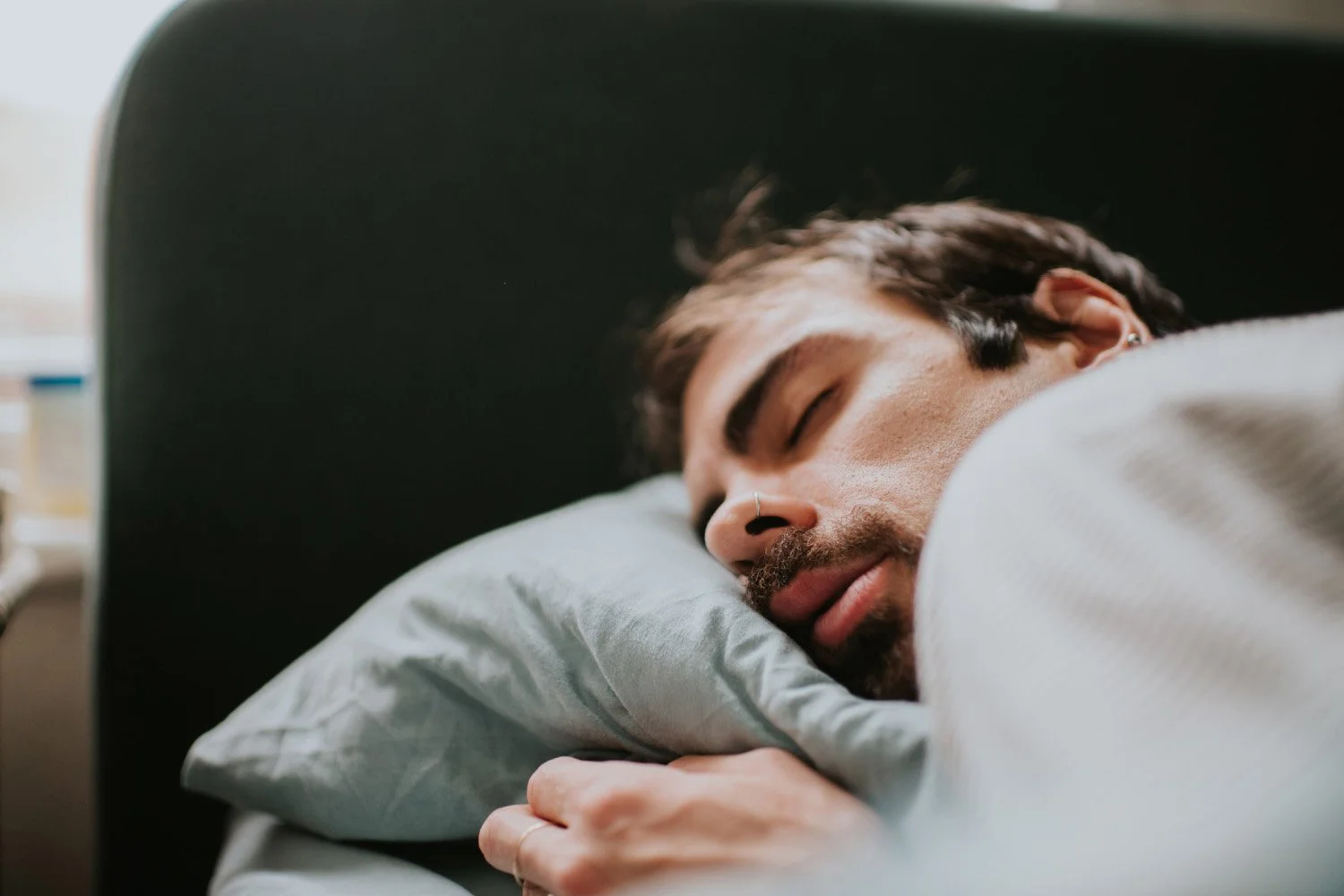
Why have I been sleeping so much lately? 10 possible reasons

Clinically reviewed by Dr. Chris Mosunic, PhD, RD, MBA
If bed feels like the only place you want to be, it can be confusing and frustrating. Discover 10 causes of oversleeping, what’s normal, and tips to help you feel rested again.
Have you ever woken up after nine hours of sleep and still felt exhausted? It doesn’t make logical sense, right? Sleep is supposed to help, so when even a full night’s rest isn’t cutting it, it can leave you worried or wondering what’s going on.
There are times in life where you’ll naturally sleep more than others. Illness, sleep deprivation, or even hormones can lead to exhaustion that culminates in needing to sleep more. But, if you’re constantly needing extra sleep, it could be worth investigating.
We’ll explore some of the common physical and emotional reasons you could be catching extra Zzzs, plus what truly counts as over sleeping and some easy ways to better support your energy.

What counts as oversleeping?
According to the American Academy of Sleep Medicine (AASM), most adults need somewhere between 7–9 hours of sleep per night, which is recommended to help avoid the health risks that come along with chronic inadequate sleep. While sleeping more than nine hours may be appropriate for young adults, people recovering from sleep deprivation, and people who are unwell.
With that said, oversleeping often refers to regularly sleeping more than about 9 to 10 hours in a 24-hour period when there’s no exhaustive factors at play. Clinically, the term is "hypersomnia" which refers to excessive sleepiness that continues even after long periods of rest, sometimes up to 10 hours a night. With hypersomnia, you can't control when you feel sleepy. You may fall asleep several times during the day, usually without meaning to, and still not feel restored.
Outside of these definitions and ranges, the more important question to ask if you’re sleeping a lot is whether the sleep is actually refreshing you, or not making a dent in your fatigue.
Related read: Oversleeping: how much sleep is too much?

Why am I sleeping so much? 10 possible reasons
Oversleeping rarely has just one cause. It's often a combination of physical, mental, and lifestyle factors working together. Here are ten of the most common reasons:
1. Sleep debt: A stretch of late nights or poor-quality sleep can build up. When life slows down, the body may need to extend sleep to recover. This rebound is usually temporary.
2. Stress and burnout: Ongoing stress can lead to deep mental and physical exhaustion. Burnout often brings a heavy, drained feeling that extra sleep only partly relieves.
3. Depression: Depression commonly affects sleep. Some experience insomnia, while others develop hypersomnia, including long sleep, difficulty waking, and daytime fatigue, along with low mood or loss of interest.
4. Anxiety: Anxiety can reduce sleep quality. Even with more hours in bed, light or restless sleep may leave someone feeling unrefreshed.
5. Medical conditions: Possible physical contributors include hypothyroidism, anemia, sleep apnea, diabetes, chronic infections, and myalgic encephalomyelitis/chronic fatigue syndrome (ME/CFS). Many of these can be identified with a blood test or physical exam. A healthcare provider can help determine whether any of these are relevant.
6. Sleep disorders: Conditions such as narcolepsy or idiopathic hypersomnia can cause persistent, intense sleepiness despite long nighttime sleep. Unfortunately, idiopathic hypersomnia has no identifiable cause — if anything, it's the diagnosis for people who've ruled everything else out. One theory suggests that certain molecules in the cerebrospinal fluid may act similarly to a sedative, though more research is needed.
7. Medication side effects: Some antidepressants, antihistamines, antipsychotics, and pain or blood pressure medications can increase drowsiness.
8. Alcohol use: Alcohol can initially make you feel sleepy, but it disrupts REM and deep sleep later in the night, often leading to longer yet less restorative rest. Over time, regularly drinking in the evening can quietly degrade sleep quality while making it feel like you need more hours to compensate.
9. Seasonal changes: Shorter daylight hours can shift circadian rhythms and increase fatigue. People with winter-pattern SAD produce too much melatonin, which can increase sleepiness and lead to oversleeping. Seasonal affective disorder may also contribute more broadly to low mood and low energy across the season.
10. Life transitions and emotional overload: Grief, caregiving, job changes, or prolonged uncertainty can strain the nervous system. In these moments, extended sleep may reflect overwhelm rather than lack of motivation.

When should I worry about oversleeping?
Sleeping longer than usual is often part of recovery. The bigger question is whether it's ongoing and disruptive. It may be worth speaking to a doctor if extended sleep:
Lasts more than two to three weeks
Interferes with work, relationships, or daily routines
Comes with persistent low mood, brain fog, or loss of interest
Is paired with loud snoring or breathing pauses at night
Involves sudden, overwhelming sleep episodes during the day
A primary care provider can screen for common contributors like thyroid imbalance or anemia. A therapist can help if mood or burnout seems likely. But remember that evaluation is about gathering information, not assuming the worst.
If extended sleep comes with thoughts of self-harm or overwhelming hopelessness, support is available. In the US, call or text 988 to reach the Suicide and Crisis Lifeline.
Related read: The 5 biggest sleep myths (& 5 science-backed habits to optimize your sleep)

How to gently reset your sleep: 7 ways to balance your energy
When sleep feels out of balance, the urge to overhaul everything at once can be strong. Sharp resets often backfire. A steadier approach, built on small, repeatable actions, is more likely to support lasting change.
1. Set a consistent wake-up time
A regular wake-up time is one of the most powerful ways to regulate circadian rhythm. And getting up at the same time most days, including weekends, helps train the brain when to feel alert and when to wind down.
If getting up feels tough, try charging your phone across the room, or placing an alarm clock out of reach. Avoid negotiating for “just 10 more minutes,” which often stretches into another sleep cycle and deepens grogginess.
Read more: Want to sleep better? These 10 healthy sleep habits can help
2. Use light to signal morning to your brain
Light tells the brain that it’s time to be awake. Within the first hour of getting up, aim for 10 to 30 minutes of natural light. Sitting by a sunny window, stepping outside with coffee, or taking a short walk around the block can all help.
In darker months or early mornings, a light therapy box designed for seasonal mood changes may support energy, or you can try a sunrise alarm clock to help you wake up gradually.
💙 Start your morning out with some Mindful Walking, a great way to get sunshine and begin your day in a more grounded way.
3. Try a wake-up routine
The first hour sets the tone for the day, so make it something that helps you ease in gently. That could be: wash your face, drink a glass of water, stretch for five minutes, step outside, then eat breakfast.
The goal is to help your body register that the day has started. When mornings are something you look forward to, rather than being chaotic, the pull to return to bed often softens.
Read more: How to establish a wake-up routine (and actually stick to it)
4. Nap with intention (if you nap)
Naps aren’t inherently bad as they can actually be restorative when used strategically. But, if naps are contributing to oversleeping, experiment with limiting them to 20 to 30 minutes and scheduling them before 2pm.
Set a timer and nap on a couch rather than the bed to reduce the risk of drifting into deep sleep. If naps regularly last several hours or make nighttime sleep harder, gradually shortening them can help rebalance overall sleep drive.
Read more: The best time for napping: how long should naps actually last?
💙 Try a timed and guided nap session on Calm like Afternoon Nap.
5. Support your body’s basic needs
Low energy is often amplified by skipped meals, dehydration, and minimal movement. Focus on eating within a few hours of waking and drinking water consistently throughout the day. It can also help to include some protein and fiber at meals to stabilize blood sugar.
As for movement, it doesn’t need to be intense. A 10–15 minute walk, light stretching, or a short bodyweight routine can increase circulation and improve alertness.
6. Protect your nighttime sleep quality
Sleeping longer doesn’t always mean sleeping better. Improving sleep quality can reduce the need for extended hours in bed.
Try this:
Keep the bedroom cool, dark, and quiet
Avoid alcohol close to bedtime, since it fragments sleep
Power down screens 30–60 minutes before bed
Go to bed only when sleepy, not simply bored or emotionally drained
If the bed has become a place for scrolling, worrying, or working, gently retrain it as only for sleep and intimacy.
💙 Boost your sleep by drifting off with a Calm Sleep Story like, Dream With Me read by Harry Styles.
7. Care for your emotions
Oversleeping is often intertwined with mood, stress, or avoidance. If bed feels like a refuge from overwhelm, it helps to build other forms of support so your bedroom is used primarily for sleeping.
Try scheduling one manageable social touchpoint each week, such as a coffee with a friend or a virtual coworking session. Therapy or support groups can also provide space to process burnout, grief, or depression that may be fueling hypersomnia symptoms.
Setting one small daily commitment outside the home can help create gentle accountability. Sign up for a short class, a volunteer shift, or meet someone for a walk. Having structure and contact with other people can make energy feel more accessible than staying isolated.

Why have I been sleeping so much FAQs
What are the possible mental and physical causes of oversleeping?
Mental or emotional reasons for sleeping too much can include depression, anxiety, chronic stress, burnout, and emotional overwhelm. In these cases, sleep can become both a symptom and a coping strategy.
Physical causes may include hypothyroidism, anemia, sleep apnea, chronic fatigue syndrome, diabetes, infections, medication side effects, or primary sleep disorders like narcolepsy or idiopathic hypersomnia.
In many situations, mental and physical factors overlap, which is why looking at the full picture, including mood, stress levels, medical history, and recent life changes, tends to be more helpful than searching for a single explanation.
Is it unhealthy if you sleep too much?
Occasionally oversleeping isn’t inherently unhealthy, especially after illness, travel, or a stressful period. Concern arises when long sleep becomes consistent, doesn’t feel restorative, or interferes with daily functioning.
Some large observational studies have found associations between regularly sleeping more than 9–10 hours and certain health conditions. And in many cases, longer sleep appears to be a signal of underlying health issues rather than a direct cause.
The more important question is whether energy, mood, and overall functioning feel stable. If they don’t, it’s worth exploring underlying causes rather than focusing only on the number of hours slept.
What illness makes you want to sleep all day?
Several conditions can increase the urge to sleep most of the day. Depression is one of the most common, particularly when accompanied by low motivation and changes in appetite or concentration. Physical illnesses such as hypothyroidism, anemia, sleep apnea, chronic fatigue syndrome, and certain infections can also cause significant daytime sleepiness.
Less commonly, neurological sleep disorders like narcolepsy or idiopathic hypersomnia are involved. Luckily, a healthcare provider can help narrow this down through a medical history, basic lab work, and, if needed, a sleep study.
Can oversleeping be a symptom of depression?
Yes, oversleeping can be a symptom of depression. While some people with depression struggle to fall or stay asleep, others experience hypersomnia symptoms and causes such as sleeping for long hours, difficulty waking, and persistent daytime fatigue.
This pattern is often accompanied by low mood, loss of interest in usual activities, slowed thinking, or feelings of hopelessness. When oversleeping is tied to depression, treating the mood symptoms through therapy, lifestyle changes, and sometimes medication often improves sleep patterns as well.
Does the weather or season affect how much I sleep?
Yes, seasonal and weather changes can influence sleep duration and energy levels. Reduced daylight in fall and winter can shift circadian rhythms and lengthen melatonin release, which may increase sleepiness.
Some people experience seasonal affective disorder, a form of depression linked to changes in light exposure, which can include both low mood and oversleeping. Increasing morning light exposure, spending time outdoors, and maintaining consistent routines can help counter these seasonal effects.
Can I fix oversleeping without medication?
In many cases, yes. Establishing a consistent wake-up time, getting morning light, limiting long daytime naps, improving sleep quality at night, supporting physical health, and addressing stress or mood concerns can gradually rebalance sleep.
Community support, structured daily commitments, and therapy can be especially helpful when emotional factors are involved.
Medication may be appropriate in some cases, particularly when a diagnosed sleep disorder or depression is present, but many people see meaningful improvement through behavioral and lifestyle adjustments alone.
Can stress make you sleep a lot?
Yes, it can. After a long stretch of pressure, poor sleep, or emotional strain, your body may ask for more rest, even if that sleep doesn't feel restful.
Stress isn't the only reason people oversleep, though. If the extra sleep comes with low mood, heavy fatigue, or brain fog, or it's lasted more than a couple of weeks, it's worth checking other possible causes with a doctor.
Related read: How does stress affect sleep quality?
Is it normal to sleep 10 hours a day?
Sometimes, yes. Sleep needs shift with age and circumstance. Teens generally need 8 to 10 hours, and most people go through stretches of longer sleep after periods of sleep loss, illness, or heavy physical activity.
For most adults, though, a regular 10-hour night sits outside the typical 7 to 9 hour range. Doing it once in a while is fine. If it's your steady pattern, the thing worth noticing is whether you wake up rested. Sleep that's long but never refreshing is usually worth a closer look.
Calm your mind. Change your life.
Mental health is hard. Getting support doesn't have to be. The Calm app puts the tools to feel better in your back pocket, with personalized content to manage stress and anxiety, get better sleep, and feel more present in your life.

Images: Getty