
Clinically reviewed by Dr. Chris Mosunic, PhD, RD, MBA
Alcohol and anxiety often team up in sneaky ways. Learn how they interact, whether alcohol can actually relieve anxiety, and 6 gentle tips to help you break the cycle.
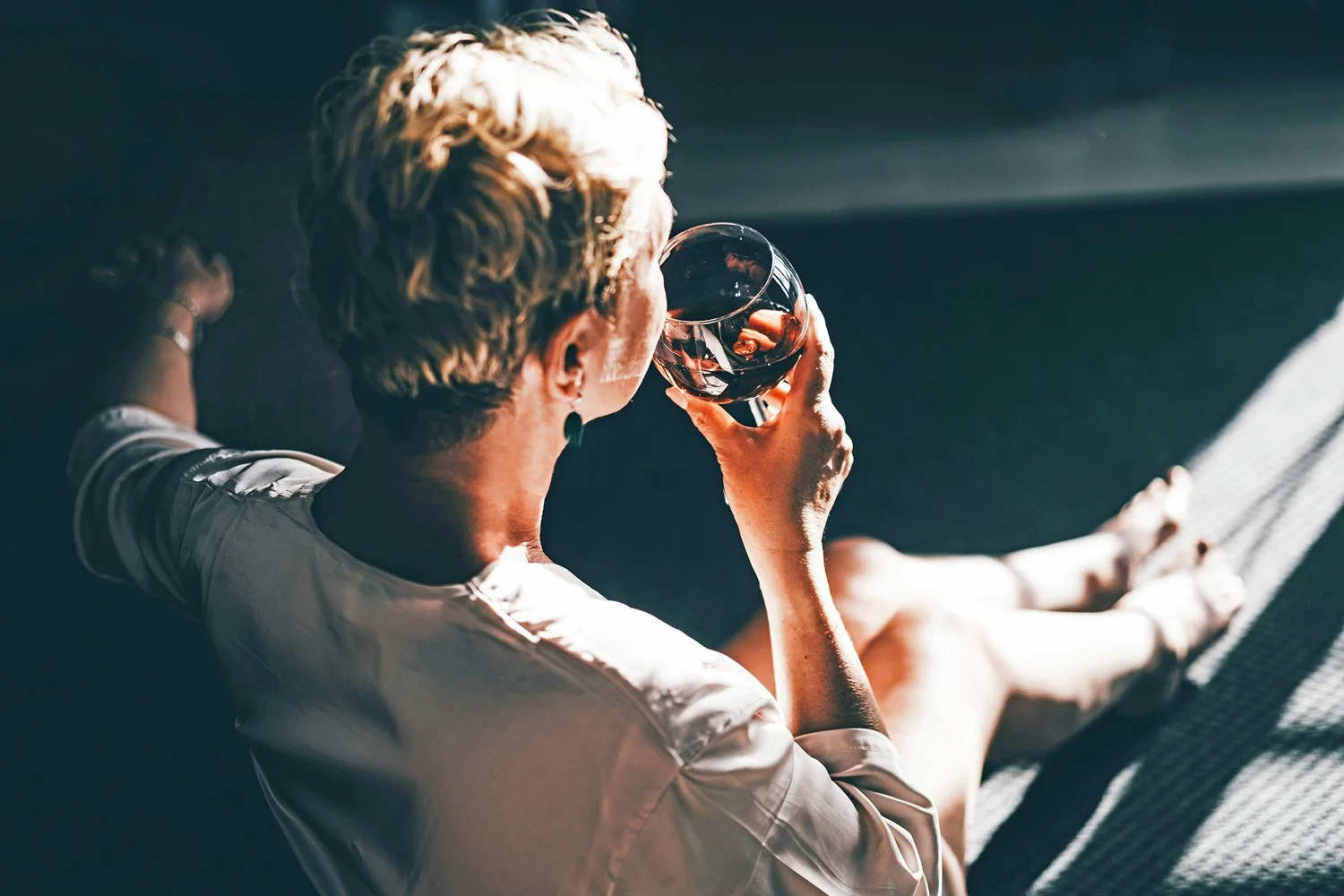
When life is really life-ing, it can be tempting to turn to an evening beverage to take the edge off. Maybe you messed up at work, got in a fight with your partner, or are about to head to a social event you’re dreading. At first, a drink usually feels helpful when you’re anxious. Your body relaxes, your thoughts slow… but later that night or the next morning, those anxious feelings all come flooding back.
The pattern isn’t random, as alcohol and anxiety are closely connected. And for some, when the buzz wears off, the anxiety comes back even stronger. Luckily, there are better ways to cope. We’ll walk through some ways to relieve stress and anxiety that are better for you in the short term and the long run.

What’s the connection between anxiety and alcohol?
Drinking can feel relaxing at first because alcohol directly affects the brain systems that regulate stress and mood. It actually increases calming brain chemicals and slows the signals that keep you alert. This is why a drink during a social engagement, or after a high-pressure situation, can feel like it takes the edge off.
The trouble is that as the alcohol leaves your system, the brain has to work to regain balance, and that rebound is where the problems can arise. As the brain recovers, you might experience more excitatory activity, stress hormone shifts, and disrupted sleep. And for people who already deal with anxiety, this kind of psychological whiplash can feel intense and out of proportion to what’s actually happening in your environment. It’s even more frustrating that over time, this back-and-forth can make anxiety more difficult to cope with.
Does alcohol relieve anxiety?
In the short term, alcohol is effective in reducing anxiety and tension for some people. It lowers your inhibitions and triggers chemical changes in the brain that can lead to short-term relaxation. It’s also a common social lubricant, so it’s easy to grab a glass of wine at gatherings where you feel awkward or nervous.
Unfortunately, the relief doesn’t last. As the calming effects wear off, anxiety often returns even stronger. Some people experience next-day irritability, restlessness, or dread, a reaction sometimes called “hangxiety.”
With repeated use, the brain can even adapt to alcohol’s effects, which may make anxiety feel harder to manage without it. So while alcohol may soften anxiety in the moment, it can increase vulnerability to anxiety later on.

Why do people drink alcohol when they feel anxious?
When people feel anxious or stressed, they are often looking for a quick way to calm down and return to feeling “normal”. Because alcohol is so common in social settings, and because it works so quickly, many people reach for it to take the edge off.
Here’s why alcohol often becomes a default response:
It can change how you feel quickly: Alcohol slows the nervous system, which can temporarily reduce tension or self-conscious thoughts. That shift can feel noticeable, especially in social or high-pressure situations.
It numbs discomfort: Anxiety can show up as racing thoughts, tight muscles, or a sense of dread. Alcohol can dull those sensations for a short time, which may make it easier to get through an event or a difficult evening.
It might be part of your routine: If drinking is already woven into social life or end-of-day habits, it can gradually take on a coping role without much thought. Over time, the brain starts to associate alcohol with relief.
It’s socially normalized: Alcohol is often framed as a way to unwind, connect, or boost confidence. That messaging can make emotional reliance harder to spot.
Other options might feel out of reach: When anxiety is high, finding a healthier outlet can feel difficult. Alcohol often feels more accessible in the moment than tools like therapy, exercise, or reaching out to others, which can make it an easy default.
Related read: How to have fun without alcohol? Try these 24 activities

5 negative effects of alcohol on mental health
While alcohol is often used as a quick fix to feel calmer or less stressed, there are other ways alcohol impacts the body negatively, outside of just feeling hungover. Here are a few:
It disrupts brain chemistry: Alcohol can increase GABA and suppresses glutamate temporarily, but your body compensates as those effects wear off. That can result in post-drinking restlessness or anxiety.
It interferes with sleep: Even one or two drinks can disrupt REM sleep and reduce overall sleep quality, leaving you feeling mentally foggy or physically tense the next day.
It triggers physical symptoms that mimic anxiety: Hangover side effects like headaches, dehydration, rapid heartbeat, and blood sugar drops can feel a lot like anxiety symptoms.
It creates rebound anxiety: Especially after heavy or frequent drinking, your nervous system can crash hard into withdrawal-like symptoms, even if you don’t identify as someone who “drinks heavily.”
It complicates treatment: Alcohol can interact with some anxiety medications or worsen side effects, and it may make it harder to benefit from therapy if sleep or mental clarity are disrupted.
Related read: The link between alcohol and mental health you need to know about

How to cope with anxiety without alcohol: 6 tips to stop the cycle
Because using alcohol for anxiety has some negative impacts, you may be eager to find other, healthier ways to cope. There’s no need to quit drinking cold turkey, unless that feels like the right thing to do, but you can experiment with some small changes and see how you feel. Here are a few ways to get started.
1. Try a night without alcohol
If you tend to reach for a drink when you’re out with other people, choose one upcoming event to skip alcohol and see what you notice. There’s no need to announce it or explain yourself. You’re just gathering information.
Try ordering something that feels normal or exciting to hold, like soda water with lime or a mocktail. There are also lots of non-alcoholic options on menus these days, like non-alcoholic beer, non-alcoholic wine, and NA spirits.
Try this:
After your evening out, take note of how you feel or if something shifted:
How anxious did you feel at the start of the night?
Did it rise or settle as the evening went on?
How do you sleep afterward?
Even one experience can tell you a lot about how alcohol is affecting your anxiety.
Read more: How to socialize without alcohol: 12 tips for a sober social life
2. Replace the ritual
If drinking is how you unwind or mark the end of the day, it helps to swap in another soothing practice or ritual. There’s no need to deprive yourself — just find something that scratches the same itch without the side effects.
Try this:
Take a walk after work
Take a hot shower and change into comfortable clothes
Play your favorite song that signals the day is done
Try sitting with a cup of tea and a book
Small rituals can create a sense of pause and comfort, which is often what the drink was doing in the first place.
Related read: What is the sober curious movement (and how can it benefit you)?
3. Explore different anxiety resets
When your body is in panic mode, your brain needs quick solutions, so it helps to have tools to quickly calm your nervous system already in your toolbelt. That way, when you start to feel anxious or panicked, you know what works for you and how to find relief fast.
Try these:
Box breathing: Inhale for 4 seconds, hold for 4, exhale for 4, hold again for 4. Do a few rounds.
Cold water splash: Splash your face with cold water or press a cool cloth to your neck. It can signal your nervous system to slow down.
5–4–3–2–1 grounding: Name 5 things you see, 4 you can hear, 3 you feel, 2 you smell, 1 you taste. This practice can help pull you out of spiraling thoughts.
💙 Explore easy-to-action anxiety resets in Calm’s Tools for Stress and Anxiety with Dr. Julie Smith

4. Move your body (gently)
Because anxiety lives in the body just as much as it lives in the mind, movement can be your friend. If you know you’ll be entering a tense situation, or if you’re in the middle of one, take a minute to physically dispel some of that energy.
Try this:
Stretch out your neck and shoulders if you feel yourself getting overwhelmed
Take a brisk walk before a social event
Dance to your favorite music before a big meeting.
💙 Learn how to Ease Situational Anxiety through movement during this session of The Daily Move on Calm.
5. Prioritize good sleep
Alcohol might knock you out at first, but it ruins your deep sleep and can cause middle-of-the-night wakeups. It can also lead to more anxiety the next day. Having good sleep hygiene can help the body feel more rested and calm, with or without alcohol.
Try this:
Try to keep a consistent bedtime, even on weekends
Avoid caffeine after 2pm, especially if you’re sensitive to it
Limit screen time before bed
If your mind races, write down your thoughts before getting into bed
Read more: Want to sleep better? These 10 healthy sleep habits can help
💙 Support your body and mind to Soften Into Sleep during this meditation on the Calm app.
6. Get the support you need
Anxiety can shrink your world, making it harder to reach out, feel connected, or even admit you’re struggling. But opening up to someone—whether it’s a friend, support group, therapist, or even an anonymous online space—can help shift things.
If drinking feels like the only thing that helps, or if it’s affecting your relationships, work, or mental health, consider speaking with a therapist who understands anxiety and substance use.
And if you decide to change your relationship with alcohol, give yourself grace. Change takes time.

Alcohol and anxiety FAQs
What are the effects of alcohol on mental health?
Alcohol may feel like it boosts your mood in the short term, but over time, it can disrupt the chemical systems your brain uses to regulate emotions. Alcohol can also affect brain chemicals like serotonin and dopamine, disrupt sleep, and—especially with heavier or frequent use—is linked to higher rates of depression and anxiety. Long-term use is also shown to increase the risk of alcohol dependence and more serious mental health struggles.
Can drinking alcohol cause anxiety?
Yes, drinking alcohol can both trigger and worsen anxiety. This happens in a few ways. As the alcohol leaves your system, your brain may rebound by increasing stress signals, which can lead to restlessness, panic, or racing thoughts.
Over time, regular drinking may also interfere with your body’s natural stress response, making you more sensitive to everyday anxiety. If you’re already prone to anxiety, even moderate alcohol use can intensify symptoms.
Does alcohol relieve stress?
In the short term, alcohol can relax your body and mind, which is why it often feels like stress relief. But that effect is temporary, and once it fades, your body may respond by increasing stress hormones that can leave you feeling wired or restless.
Using alcohol to manage stress might feel helpful at first, but it can lead to dependence, emotional blunting, or even bigger mood swings over time.
Will quitting alcohol help my anxiety?
Quitting alcohol often helps lessen anxiety. Many people report fewer anxious thoughts, better sleep, and more emotional stability after reducing or stopping alcohol. Some feel better in days, others need weeks or months. But the body and brain are surprisingly good at rebounding when alcohol is out of the picture.
That said, if alcohol has been your main coping mechanism, it’s also important to build new supports, like therapy, connection, or lifestyle changes, so you’re not left without tools when anxiety shows up.
How long does alcohol-induced anxiety last?
How long alcohol-related anxiety lasts depends on how much you drank, your tolerance, and whether anxiety is something you already deal with. For some people, the effects of anxiety fade within a few hours. For others, it can linger for days.
This post-drinking anxiety is sometimes called “hangxiety” and is often worse the morning after. If it keeps happening or sticks around for days, that’s a sign your body might be more sensitive to alcohol’s effects.
Why do I get hangxiety after drinking?
“Hangxiety” is the combo of hangover symptoms and anxiety that shows up after drinking. It’s caused by a mix of factors like alcohol dehydrating you, messing with your blood sugar, disrupting your sleep, and throwing off your brain chemistry.
Those physical changes—plus a drop in calming neurotransmitters like GABA—can leave you feeling wired, restless, or panicked. If your anxiety is already high, or if you’re sensitive to changes in your body, this post-drinking crash can feel intense.
Why do I rely on alcohol when I’m stressed?
So many people rely on alcohol when they’re stressed because it often works (at least for a while). Alcohol offers quick relief, and when you’re already overwhelmed, it’s easy to reach for something fast and familiar. It generally doesn’t require effort, planning, or vulnerability.
Over time, your brain starts to associate alcohol with emotional relief, which can turn it into a default coping tool. If other strategies feel inaccessible or ineffective, alcohol can start to feel like the only option, even if it ends up making things worse later.
How can I calm anxiety without drinking?
Start by building a few small, reliable habits that help regulate your nervous system. These can include breathing exercises, short walks, warm showers, talking to someone you trust, or making a drink-free ritual at the end of the day.
For more intense moments, grounding tools like box breathing or the 5–4–3–2–1 technique can help bring you back into your body. Over time, layering these tools can help reduce your baseline anxiety and make alcohol feel less essential.
Is feeling anxious after drinking normal?
Yes, and it’s more common than most people realize. Even a couple of drinks can trigger anxiety in people who are sensitive to alcohol’s effects. It doesn’t mean something is wrong with you. It’s a real, biological reaction to changes in brain chemistry, sleep quality, hydration, and hormone levels.
If you’re regularly waking up anxious after drinking, that’s a good reason to start exploring alternatives that don’t come with the emotional backlash.
Calm your mind. Change your life.
Mental health is hard. Getting support doesn't have to be. The Calm app puts the tools to feel better in your back pocket, with personalized content to manage stress and anxiety, get better sleep, and feel more present in your life.

Images: Getty